Ever feel like your startup is a magnificent, chaotic orchestra where every musician is a virtuoso, but they’re all playing different sheet music? One person is belting out sales figures, another is humming inventory levels, while a third is conducting customer service, and the accounting department is just trying to find their baton amidst the delightful mayhem. It’s exciting, exhilarating, and frankly, exhausting.
This beautiful chaos, while a hallmark of rapid growth, often hits a wall when you realize you’re spending more time coordinating than creating.
Suddenly, that big, scary acronym ERP (Enterprise Resource Planning) starts whispering sweet nothings in your ear.
But then you remember the horror stories: exorbitant costs, endless implementation cycles, and a system so complex it makes rocket science look like finger painting.
For a lean, mean startup machine, traditional ERP feels like trying to navigate a speed boat with a supertanker’s control panel.
Fear not, intrepid entrepreneur! Because today, we’re not just whispering back at ERP; we’re shouting about the fantastic world of cheap ERP alternatives for startups.
Yes, you read that right. Solutions exist that won’t require selling a kidney (or two) to implement, won’t suck up all your precious time, and will actually help you streamline your operations without breaking the bank or your spirit.
We’re talking about smart, scalable, and genuinely affordable options that can turn your startup’s cacophony into a harmonious, efficient symphony.
Stick around, because we’re about to demystify this critical area and arm you with the knowledge to make brilliant, budget-friendly decisions for your blossoming business.
The Elephant in the Room: Why Traditional ERP Just Doesn’t Cut It (Yet!)
Let’s be real. When you hear “ERP,” you probably picture SAP or Oracle. These are the Ferraris of the business software world – powerful, prestigious, and undeniably expensive.
For a Fortune 500 company, that hefty investment makes sense. They’ve got complex global operations and a dedicated IT department to manage it all.
But for a startup? It’s like buying a battleship to cross a small pond.
The average traditional ERP implementation can cost anywhere from $150,000 to well over $500,000, not including ongoing maintenance and customization.
A recent study by Panorama Consulting found that 58% of companies exceed their initial ERP budget.
That kind of financial burden and operational complexity can sink a young company before it even gets off the ground.
Startups need agility, speed, and solutions that grow with them, not ones that require a small army and a treasury vault to maintain.
So, What Are We Even Talking About? Deconstructing ERP for Startups
Before we dive into the alternatives, let’s quickly clarify what ERP actually does.
At its core, ERP is a system designed to integrate and manage all the essential business processes of a company.
Think of it as your company’s central nervous system, connecting sales, accounting, inventory, HR, customer service, and project management.
It aims to provide a single, unified view of your business, eliminating data silos and improving decision-making.
For a startup, this means less time chasing invoices, fewer inventory mishaps, and a clearer picture of your financial health.
It’s about moving from reactive problem-solving to proactive strategic planning, even on a tight budget.
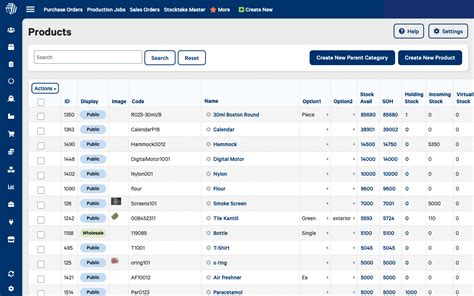
Unveiling the Savvy Solutions: Cheap ERP Alternatives for Startups
The good news is that the tech world has evolved. The cloud, open-source communities, and modular SaaS solutions have democratized access to powerful business tools.
This means that finding effective, budget-friendly enterprise resource planning for emerging companies is no longer a pipe dream.
1. Modular Cloud-Based Suites: The Swiss Army Knife Approach
Imagine having a collection of interconnected apps that handle everything from CRM to accounting, all under one roof and accessible from anywhere.
These suites offer a comprehensive set of tools, often with tiered pricing models that scale with your business.
Popular examples:
- Zoho One: Often called “the operating system for your business,” Zoho One offers over 40 integrated applications for a remarkably low monthly fee. It covers sales, marketing, finance, HR, and even IT management.
- Odoo (Online/SaaS): While Odoo has an open-source community version, its cloud-hosted SaaS offering is incredibly popular for startups. You pay per user and per app, allowing you to pick and choose exactly what you need.
- Apptivo: A robust suite that bundles CRM, project management, invoicing, and more. It’s highly customizable and offers a free basic plan to get you started.
The beauty here is integration. Data flows seamlessly, reducing manual entry errors and providing a holistic view of your operations.
It’s a powerful step towards a true ERP experience without the traditional ERP price tag.
2. Best-of-Breed Approach: The Specialized Dream Team
Sometimes, one tool does one thing exceptionally well. Why settle for a generalist when you can assemble a team of specialists?
This approach involves selecting the absolute best software for each core function and then integrating them using APIs or connectors like Zapier.
Common Combinations:
- Accounting: QuickBooks Online or Xero (for financials).
- CRM: HubSpot CRM (free tier available), Pipedrive, or Salesforce Essentials (for sales and customer management).
- Project Management: Trello, Asana, Monday.com (for task and team coordination).
- E-commerce: Shopify, WooCommerce, BigCommerce (for online sales).
- Inventory: Stitch Labs (now part of Shopify), Zoho Inventory, TradeGecko.
This option offers incredible flexibility and allows you to use tools your team might already be familiar with.
However, be mindful of integration headaches. While tools like Zapier make it easier, managing multiple subscriptions and ensuring data consistency can be a challenge.
It’s like having all the best players, but you still need a great coach to make them play as a cohesive unit.
3. Open-Source ERP: The DIY Powerhouse
For the tech-savvy startup, open-source ERP platforms offer unparalleled customization and virtually no software licensing fees.
The “cost” comes in implementation, hosting, and potentially hiring developers for specific customizations.
Leading open-source choices:
- Odoo Community Edition: The free, open-source version of Odoo allows you to download and self-host the entire suite. It’s powerful, modular, and has a vast community.
- ERPNext: Built on the Frappe Framework, ERPNext is another comprehensive open-source solution covering manufacturing, retail, services, and more. It’s user-friendly and highly adaptable.
This route offers maximum control and can be incredibly cost-effective in the long run if you have the internal expertise or partner with an affordable implementer.
It’s a bit like building your own custom car – more effort upfront, but exactly what you want in the end.
4. Industry-Specific SaaS Solutions: Niche Perfection
Sometimes, your industry has very specific needs that a general ERP can’t quite meet. Enter industry-specific SaaS solutions.
These platforms are tailor-made for niches like field service management, restaurant operations, specific types of manufacturing, or healthcare practices.
They often combine CRM, inventory, scheduling, and billing functionalities uniquely suited to that sector.
While not strictly “ERP” in the broad sense, they function as an integrated operational backbone for their specific industry.
They can be fantastic cheap ERP alternatives for startups that operate in well-defined niches.
Diving Deeper: Key Features to Look For in Your Startup’s ERP Alternative
Choosing the right path isn’t just about price. It’s about functionality that truly supports your growth.
Here’s what your cost-effective business management software for new ventures absolutely needs:
- Scalability: Your startup won’t stay small forever (hopefully!). Ensure the solution can handle increased users, data, and complexity without requiring a complete overhaul.
- User-friendliness: If your team can’t or won’t use it, it’s useless. An intuitive interface means faster adoption and less training overhead.
- Integration Capabilities: How well does it play with others? Can it connect to your existing e-commerce platform, email marketing, or payment gateways? Lack of integration is a common bottleneck.
- Reporting & Analytics: You need insights, not just data entry. Powerful dashboards and customizable reports are crucial for making informed business decisions.
- Customer Support: When things go sideways (and they sometimes do), reliable and responsive support is invaluable. Check reviews!
- Pricing Model: Understand if it’s per-user, per-module, or a flat fee. Look for transparent pricing with no hidden costs. Many offer free trials – use them!
Imagine Sarah, who started a boutique coffee subscription service. She initially managed everything on spreadsheets.
Orders, inventory, customer details – all living in separate tabs.
When she hit 500 subscribers, she was drowning in manual data entry and constantly overselling popular beans.
She wisely moved to a modular cloud ERP alternative that integrated her Shopify store with inventory and accounting, immediately seeing a 30% reduction in administrative time.
That’s the power of finding the right system!
The Hidden Gems: Real-World Examples & Why They Work
Let’s briefly highlight a few specific tools that embody the spirit of affordable ERP solutions for nascent businesses.
Zoho One: The “Startup Operating System”
For roughly $30-$45 per employee per month (depending on the plan), Zoho One provides an incredibly comprehensive suite. It’s robust enough for a small team, yet scalable enough to handle significant growth, covering sales, marketing, support, finance, HR, and even productivity apps.
ERPNext: The Customizable Community Champion
If you have some technical chops or are willing to hire a freelancer, ERPNext’s open-source nature makes it incredibly powerful. You get a feature-rich system for manufacturing, retail, services, and more, without licensing fees. The community support is vibrant, and the ability to tailor it precisely to your workflow is a game-changer.
QuickBooks Online + HubSpot CRM + Shopify: The “Integrated Best-of-Breed” Power Trio
Many startups thrive on this combination. QuickBooks handles the money, HubSpot manages the customer journey, and Shopify powers sales. These tools integrate well, providing specialized functionality where it’s needed most without the complexity of a monolithic ERP. This is often the starting point for many growing e-commerce businesses.
Making the Leap: How to Choose Your Perfect Fit
So, how do you pick among these excellent cheap ERP alternatives for startups?
It boils down to a few critical steps:
1. Define Your Needs First: What are your biggest pain points? Is it inventory management, chaotic accounting, or a disorganized sales pipeline? Prioritize the functions that will deliver the most immediate impact.
2. Map Your Processes: Understand how things currently work. Document your sales cycle, order fulfillment, and financial workflows. This helps identify where an integrated system can truly streamline operations.
3. Consider Your Team’s Tech Savviness: An open-source solution might be fantastic, but if your team shies away from anything that isn’t point-and-click, a cloud-based SaaS might be a better fit.
4. Start Small, Scale Up: Many solutions allow you to begin with core modules and add more as your business grows. Don’t try to implement everything at once. Crawl, then walk, then run.
5. Utilize Free Trials: Almost every reputable solution offers a free trial. Test it out! Get your team involved. Nothing beats hands-on experience to see if a system truly fits your needs and workflow.
Choosing the right system is an investment in your startup’s future, not just a line item expense.
It’s about laying a strong digital foundation that supports sustainable growth and efficiency.
Conclusion: Your Startup’s Digital Symphony Awaits
The days when comprehensive business management systems were exclusive to corporate giants are long gone. The digital landscape has democratized access to powerful tools, making intelligent, integrated operations accessible to every ambitious startup.
You don’t need a supertanker to cross a pond; you need a nimble, powerful speed boat that can navigate the choppy waters of startup life.
By embracing these cheap ERP alternatives for startups, you’re not just buying software; you’re investing in clarity, efficiency, and scalability.
You’re empowering your team to focus on innovation and growth, rather than getting bogged down by administrative minutiae.
So, take a deep breath, review your options, and make a choice that will transform your startup’s beautiful chaos into a perfectly synchronized digital symphony.
The future of your business is built on smart decisions today, and choosing the right operational backbone is one of the most critical.